
Become An Egg Donor
Most of our donors earn between $10,000 and $15,000 per cycle — and highly qualified donors earn up to $50,000.
Eggceptional Fertility has been helping create families since 2008. Working with trusted clinics, surrogates, and egg donors in all 50 states, we proudly support intended parents from around the globe.
How much does a egg donor make?
In most cases, compensation ranges from $10,000 to $15,000+ per donation cycle. Our egg donor program offers enhanced compensation for individuals who have unique qualifications such as donors of specific ethnicities, unique physical attributes, Ivy League student or graduate, or if you are a repeat egg donor.
First Time Egg Donors:
$10,000 to $15,000+
Highly Qualified Egg Donors:
Up to $50,000+
We determine compensation on a case-by-case basis, as each egg donation is unique. We aim to provide one of the best egg donor compensation packages in the industry. In addition to this compensation, remember that you will never have to pay any out-of-pocket costs to be an egg donor.


Our Requirements
Each of our donors is unique, but all of our donors must meet certain requirements to make sure they are physically and mentally healthy and fully able to meet the commitments involved with egg donation. These requirements protect the health and safety of our donors and our future families.

If you meet these criteria and are excited to help change someone’s life, please fill out our donor application to share more about yourself and why you would like to be a donor. We review all of our applications carefully and schedule personal interviews with exceptional candidates. If you have any questions that have not been answered on the website, we encourage you to call us anytime. We look forward to guiding you on this journey!
Why Egg Donors Are So Important
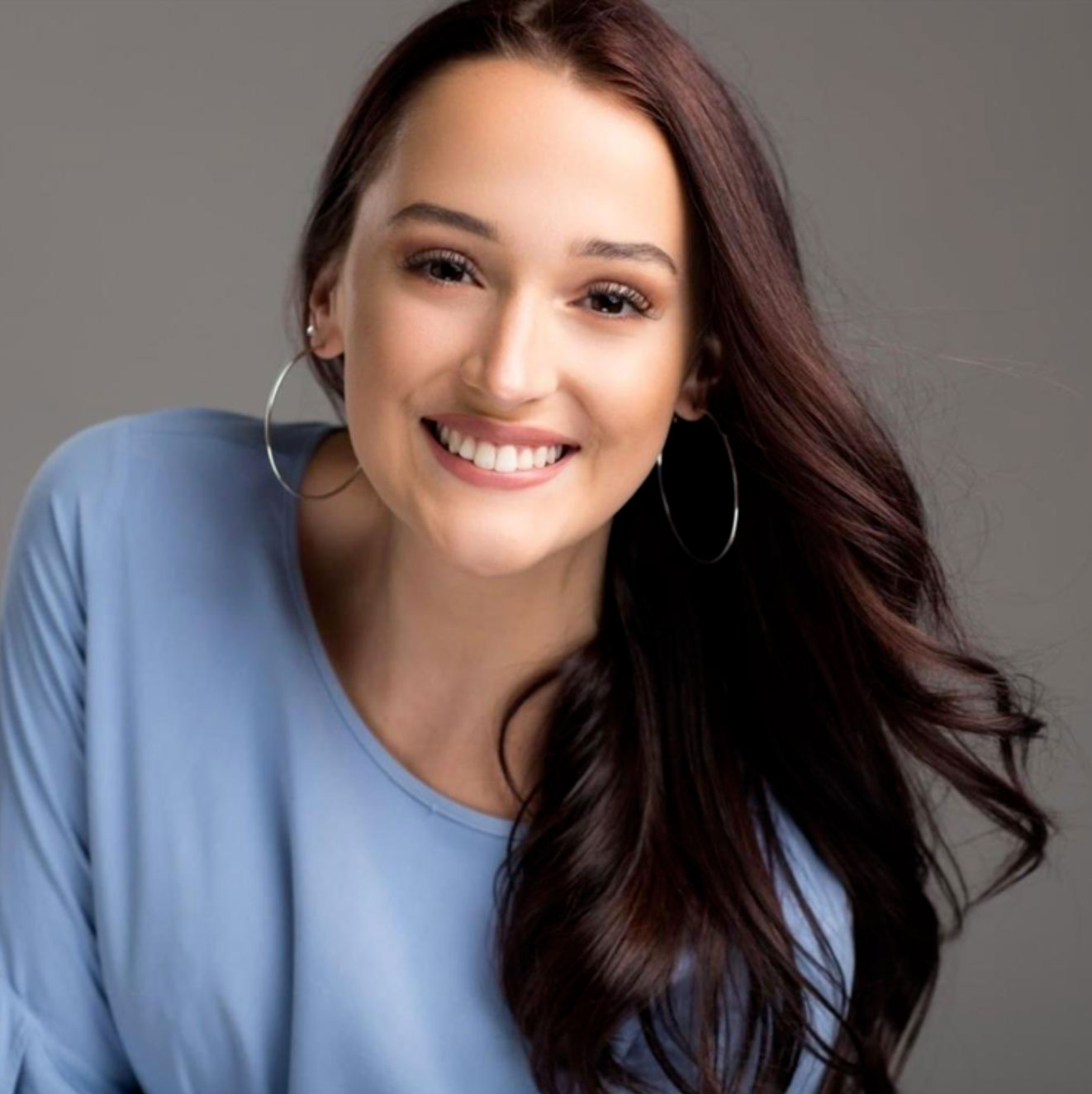
“I just finished my last donation as an egg donor with Eggceptional and I have nothing but positive things to say. Rachel has been my case manager over the years and she was vital to my having amazing experiences time after time!! She is kind, responsive, informative, and the best person to have in your corner when you’re going through an experience like this. Anyone looking to become a donor should absolutely look here, because this clinic does amazing things for families all over the country and I feel so blessed to have been a part of it.”
— Sarah, Eggceptional Fertility Egg Donor
Egg Donor FAQs
Common questions from women interested in becoming an egg donor.
No relationship between egg donation and future fertility has been established, although research is continuing. Egg donation does not deplete your ovarian reserve. Each month you release a number of eggs, but only one comes to maturity. The hormones administered in the donation process stimulate more than one to reach maturity. Women in their 20’s have hundreds of thousands of viable eggs.
Most women experience little to no complications. You can experience minor discomfort after the procedure, or symptoms associated with your natural cycles, such as headaches, moodiness, or cramping. There have been a very small number of extreme cases of hyper stimulation. Although it has never happened in our program, there is a need to disclose that there have been very rare and extremely limited cases.
The matching for each process is the same and you are able to review a redacted profile for the intended parents, as they are able to view yours.
Anonymous Donation: You would not have open contact or communication with the couple or single to whom you agree to donate. The contract would use only first names, and all information is exchanged through our agency. We ask that you keep our agency informed of all changes in your health history and keep your contact information up to date.
Semi-Known Donation: You donate your eggs and limit the amount of information that is shared. For example, you can decide that you don’t want to exchange information but may want to meet in person at our office.
Known Donation: We can set up communication between all parties, and you can carry on the relationship to your agreed upon level of comfort. For example, you can meet and exchange information to be in touch in the future, if necessary, or can form a relationship and have consistent contact. Our social workers will discuss this further and answer any questions in your screening.
We work with intended parents who have chosen clinics throughout the United States. Where you travel will depend on the IVF clinic chosen by the intended parents. This is where you will most likely travel to twice. We will disclose that information prior to matching, so you will be aware of where you will be traveling. We can certainly try and match you only locally, but that will decrease your chances of being chosen as an egg donor and limit you to those couples working with an IVF center in your area.
Egg donors have the opportunity to help multiple families which means you can donate your eggs up to six times. After your egg retrieval is complete, one of our admissions specialists will request the medical records from your egg donation cycle. An IVF physician will review your medical records and will make a recommendation as to whether you are able to return to the program to complete additional egg donation cycles.
It’s important to understand that egg donation timelines vary. While there is no guarantee you will be chosen as an egg donor, it is possible to be chosen within days of being accepted into our program. Some intended parents also require a gestational surrogate. This means that even after you are matched, there can be a waiting period while your intended parents are being matched with a surrogate. Although the donation itself lasts only 3-4 weeks, commitment to the process is typically 2-3 months. Please keep in mind that these are average timelines and that no two egg donation arrangements are the same.
Egg donation helps those who are unable to become parents on their own.
People choose egg donation for many reasons. Some are struggling with infertility, others are same-sex couples or single individuals. Intended parents come from many different backgrounds and ethnicities all around the world.

“I had the most incredible experience working with this fertility clinic during my egg donation. What stood out the most was how positive and encouraging they were. They made me feel valued. Every interaction felt personal, thoughtful, and professional. If you’re considering egg donation or any fertility services, I highly recommend them. They are exceptional at what they do, and I’m so grateful for my experience with them.”
— Bianca, Eggceptional Fertility Egg Donor
